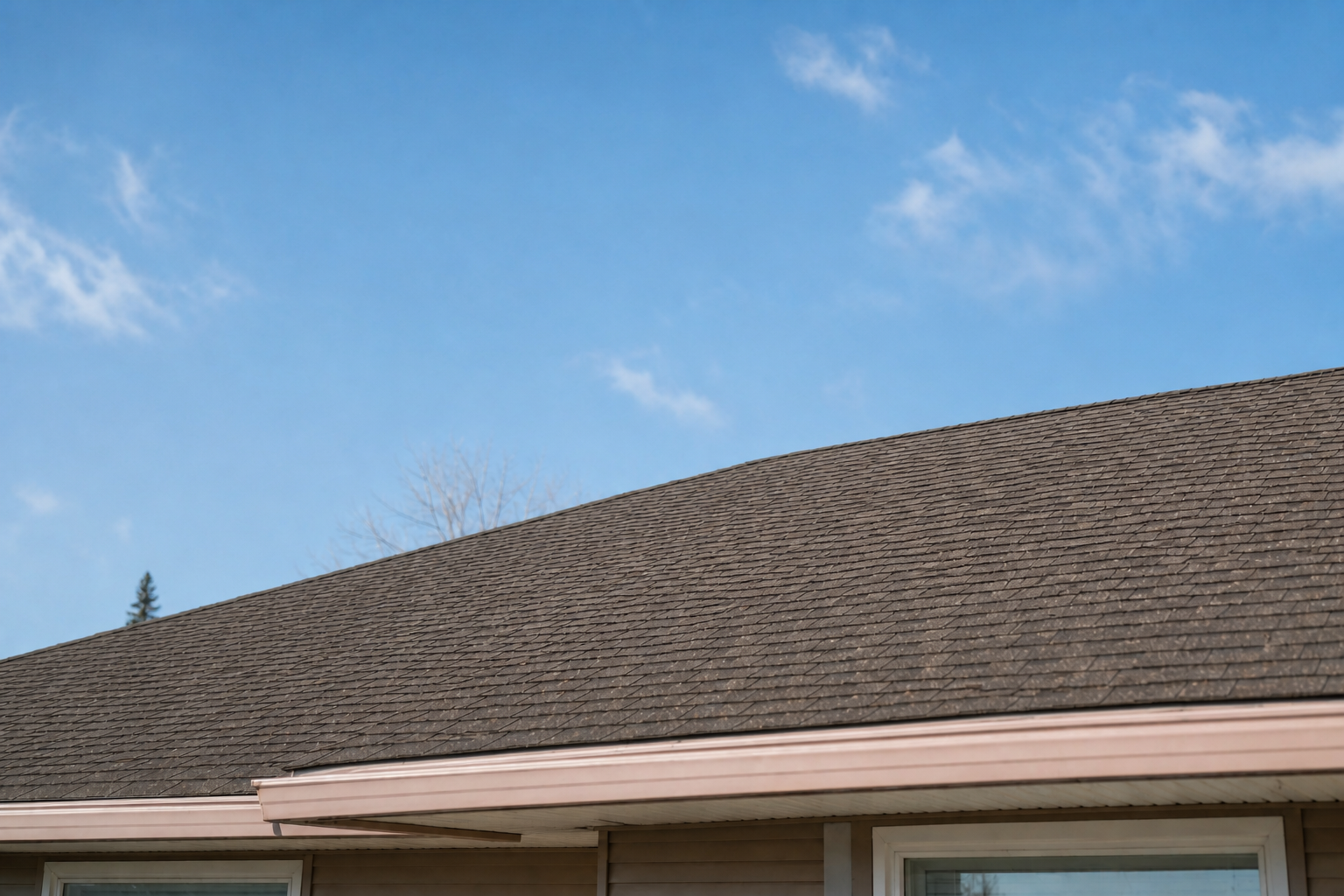
The historic village core
The older homes clustered around the historic Boalsburg village were built well before modern ventilation standards existed, and many still have minimal or no ridge and soffit venting. That shows up as ice damming along the eaves in winter and premature shingle aging from heat buildup in summer, both of which trace back to the same underlying ventilation gap rather than the shingles themselves being at fault.
Chimneys are common on these older properties, and we treat every chimney flashing repair as an opportunity to check the whole roof section around it, since a chimney leak rarely stays isolated to just the flashing itself for long.
Newer development on higher ground
The homes built further up the slope toward Tussey Mountain sit at a higher elevation and take a more direct hit from wind coming off the ridge, particularly in the late winter and early spring storm season. Roof and siding wind damage calls from this part of Boalsburg tend to run slightly ahead of what we see in the flatter parts of the valley, and we account for that when we look at wind ratings on a replacement roof for a property up here.
Snow load is also a factor on the steeper roofs in this area, since drifting snow off the mountain can pile deeper against one slope of a roof than a flat-ground home would ever see.
Storm patterns around the ridge
Because Boalsburg sits at the base of a ridge, storm cells can intensify or weaken quickly as they cross the elevation change, which means hail and wind reports from the flatter parts of State College do not always predict what actually happened on a property here. Every storm inspection we do in Boalsburg is based on what is actually found on the roof, not on a general damage report for the wider area.
Scheduling a visit
Reach out through the contact page with your general location in Boalsburg and a description of what you are seeing. We will schedule a walk-through and send a written scope afterward, whether the job is a small repair or a full roof replacement.